
Trends of minimalist art by 2025 promise to offer a haven of calm and simplicity. Minimalism, which is characterized by its focus on what is essential, and the elimination of the superfluous, resonates deeply in our search for serenity. As we get closer to 2025, the minimalist designs not only capture our attention, but we invite you to a space of reflection and tranquility.
Among the most prominent features of minimalist art that we will see in 2025, they are:
- color Palettes soft: The neutral tones and cakes will be the stars, creating environments that promote relaxation. Colors like white, grey, beige and soft hues of blue used to transmit serenity.
- Geometric shapes: The clean lines and basic forms prevail. These figures are not only aesthetically pleasing, but also contribute to a sense of order and tranquility.
- Empty spaces: The conscious use of negative space, not just define minimalism, but also provides a mental space. When you allow your eyes and mind to rest, we achieve an inner peace.
- Natural textures: Materials such as wood, linen, and the stone will be integrated into works of art and decorations. Your connection with nature and promotes a feeling of well-being.
- Interactive art: as the world becomes more digital, the artistic experiences interactive will take the spotlight. The viewer becomes part of the work, which will encourage a deeper connection.
The importance of the simplicity of the minimalist art cannot be underestimated. When you delete the unnecessary, this style allows each item to have a clear purpose. In 2025, we will see a boom in the lines of furniture and decor that reflect this idea. Each piece will be carefully selected, not only to beautify the space, but to offer functionality without compromising the aesthetics.
The trend of minimalist art also entice a life more conscious. Often, the excess of physical things causes anxiety. By focusing on the essential, we can find a greater sense of peace. This is reflected in the art through installations that instigate reflection and self-discovery, thus promoting the serenity.
In addition, in 2025, the sustainability will be a crucial component of the minimalism. Artists and designers to adopt eco-friendly practices, using recycled materials and promoting a lifestyle that respects the environment. This approach is not only visually appealing, but that also resonates with the public increasingly aware of their ecological footprint.
Galleries and exhibitions will play a key role in the dissemination of these trends. In the field of art exhibitions, will foster an environment where visitors can experience the calm that emanates from the minimalist art. It is expected that the spaces are open and light, inviting viewers to enjoy the work without distractions. This contrasts with the exhibits are more loaded that prevailed in previous years, marking a shift towards the pursuit of the essential.
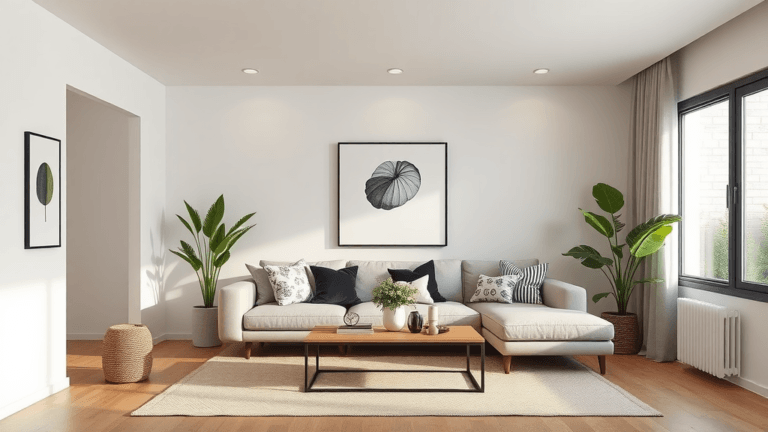
In the home, the minimalist art will manifest itself in interior decoration. Multifunctional furniture pieces and decorations with simple lines will allow the owners to create spaces that are not only attractive, but also practical. The rooms become sanctuaries personal, where each object contributes to a calm environment.
For those interested in incorporating these trends into their lives, the key will be the careful selection of each element in your space. This includes from works of art to the choice of furniture and colors. Consider how each piece contributes to the overall feeling of tranquility will be critical.
As well, the art is minimalist in 2025 there will only be an aesthetic tendency, but rather a philosophy of life that promotes calm and simplicity. Through these artistic expressions, we are invited to reflect on what really matters and to cultivate an environment that respects our need for peace and serenity.
The influence of minimalism in the interior decoration
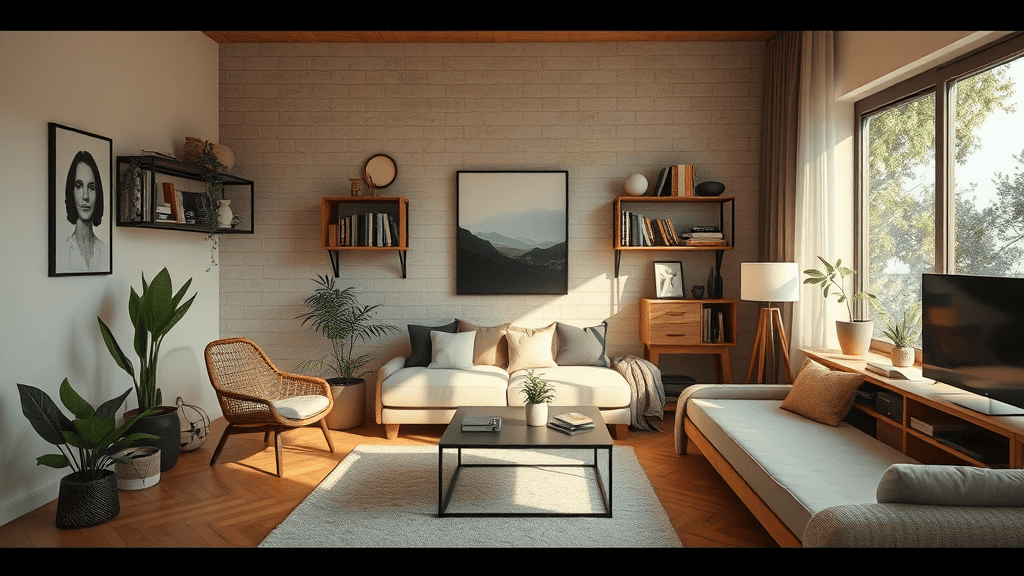
Minimalism in interior decoration has gained a growing popularity in recent years. This style focuses on simplicity and functionality, eliminating the clutter and prioritising what is essential. If you feel overwhelmed by your space and you’re looking for a style that inspires tranquility, minimalism might be the perfect solution.
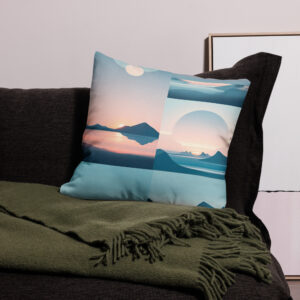
One of the most prominent features of minimalism is its focus on the color palette. Neutral colors such as white, gray and beige dominate in this style. These shades bring luminosity and amplitude to the spaces and creating a serene atmosphere. In addition, you can add a touch of color through decorative elements simple, like cushions or a work of art, without saturating the environment.
The choice of furniture is also key in this trend. Opt for pieces with clean lines and simple shapes favors the minimalist aesthetic. The multifunctional furniture pieces are ideal, as they help to maximize the space without the need to fill the room with unnecessary items. A sofa bed or a bedside table are all perfect examples of how to combine utility and style.
Lighting plays a pivotal role in the creation of a minimalist environment. It is recommended to use natural light in as possible. Light curtains allow light to flow unimpeded, creating a feeling of spaciousness. Complement this with lamps simple design, such as the floor or table, you can add a stylish touch without cluttering up the space.
- Clear the Clutter: it Is essential to keep the space free of unnecessary objects. The rule is the following: if you don’t use or don’t love it, get out!
- Textures and Materials: Introduce different textures, such as wood, metal, or ceramic, you can add visual interest without losing the minimalist aesthetic.
- Take advantage of Empty Spaces: instead of fill them, use empty spaces as part of the design can give more prominence to the few selected items.
The organization is another important aspect of minimalist decor. Use open shelves in an orderly manner allows to display only the parts that you have in mind. Not only does this reduce the clutter, but it also acts as a form of decoration in itself.
The decorative elements should be chosen with care. A piece of art or a vase-simple enough. Instead of filling up the surface with many small objects, select one or two that really stand out and tell a story. This will keep the focus on the simplicity and beauty of what is essential.
In addition, the minimalism is not just visual, but also fosters a way of life more conscious. To reduce the amount of things we own, it promotes a style of life more sustainable. This approach can help to reduce stress and promote mental clarity. To simplify your environment, you may also find a greater peace of mind and concentration in your day-to-day.
The technology has also influenced the minimalist decor. Increasingly, the homes incorporate intelligent systems that let you control the lighting and temperature in a way which is accessible and easy. This adds functionality without adding visual elements of the complex, thus maintaining the minimalist style of the house.
In addition, the influence of minimalism in interior decoration is notable for its ability to transform spaces in your oasis of calm. When selecting the essential, eliminating the mess and opt for a palette of serene, you can create a home that is not only attractive, but also promotes peace and serenity in your everyday life. So, if you want a refreshing change in your environment, consider minimalism as your new lifestyle.
How to minimalist art can improve your emotional well-being
One of the ways in which art minimalist improve your emotional well-being is through the reduction of visual clutter. A saturated environment can be overwhelming and stressful. To opt out of works that embrace the “less is more”, you can achieve a balance that helps the mind to focus and relax. This can be especially useful in spaces where you spend a lot of time, such as your home or work place.
In addition, the minimalist art invites introspection. The simplicity of its forms and can motivate you to reflect on your own emotions and thoughts. The uncluttered space allow your mind to wander, and encourage creativity and mental clarity. When you let go of what’s unnecessary, you can open the door to new ideas and perspectives.
- Stress reduction: Fewer elements in your environment can lead to fewer distractions, helping you feel more centered.
- Enhance meditation: A space minimalist can act as a place conducive to meditation and mental hygiene.
- Connection with nature: Many of the works of minimalist art incorporate natural elements, promoting a significant connection with your environment.
The influence of the minimalist art also extends to the way in which we perceive and enjoy the beauty. Instead of searching for the complexity in the forms or colors, minimalism highlights the beauty of simple things. This appreciation can lead to a state of gratitude and satisfaction with what’s around you.
Set a place in your home decorated with minimalist art is not only an aesthetic choice, but also an act that supports your well-being. You can choose pieces that resonate with you emotionally. Each work can become a reminder of the peace and simplicity that you want to incorporate in your daily life.
Minimalist art also promotes inner peace. The analysis of works that use simple items, you can feel how it reduces the emotional stress. These parts can act as an anchor in times of uncertainty, giving you a haven where the shapes and colors inspire you to find serenity.
On the other hand, minimalism is not just limited to the decoration. It can be applied to various forms of artistic expression, including music, literature and dance. When you align yourself with these expressions to a minimum, you can explore a quieter life, in which the multitude of options and noise becomes a melody soft and smooth.
Essentially, to be surrounded by minimalist art can foster a style of life more conscious. This approach encourages you to take stock of the present, which can help reduce the anxiety for the future. It also promotes mindfulness, inviting you to live in the moment and to enjoy every experience in a deeper way.
At the end of the day, the minimalist art acts as a visual reminder of the importance of the simple thing in our lives. Whether through the choice of a painting that resonates with you or giving you a special space to a sculpture minimalist, you are creating an oasis of calm that you can improve your emotional well-being. When you take this approach, you give yourself permission to breathe, reflect and enjoy what really matters.
Sustainable materials in the minimalist art contemporary
Minimalist art contemporary you are in constant evolution, and one of the most relevant aspects in this transformation is the use of sustainable materials. As environmental awareness grows between the artists and the public, the desire to create works that are not only visually appealing, but also responsible with the environment, is gaining ground. Below, we explore some of the sustainable materials that are redefining the minimalist art.
The recycled wood
The recycled wood has become popular among the minimalist artists. This material not only provides an aesthetic, warm and natural, but also contributes to the reduction of waste. Use wood from old furniture or pallets enables creators to bring the history and character to their works. In addition, the process of recycling of the wood has a lower environmental impact in comparison with the cutting of new trees.
Ecological role
The eco-friendly paper, made from wood pulp, recycled or chemical-free, is another material reviewed in the minimalist art. Artists such as illustrators and creators of collages found in this type of role an option not only sustainable, but also versatile. With a unique surface and textures varied, the ecological role of power of creative expression without leaving aside the concern for the planet.
Ink natural
The use of spot natural is a trend that is gaining prominence in the field of minimalist art. These inks, made from pigments extracted from plants, minerals, and other resources, provide vibrant colors without the harmful chemicals present in conventional inks. This approach not only is beneficial to the artist, but also to the environment, to eliminate the pollution associated with the manufacture and disposal of inks, synthetic.
Materials recycled and upcycling
The concept of upcycling refers to the practice of transforming waste materials into products of higher quality. In the context of minimalist art, this involves using everyday objects that would otherwise be considered trash, such as plastic bottles, cans and other debris. Giving new life to these materials, the artists minimize waste and promote a message of ecological awareness in their creations.
Bioplastics
Bioplastics made from natural materials such as starch, cellulose and other renewable raw materials, are starting to make their appearance in the contemporary art. These plastics are not only more sustainable in comparison with traditional plastics, but also offer a wide range of applications, from sculptures to interactive installations. Its use shows that it is possible to combine innovation with environmental responsibility.
The use of recycled sculptures
The sculptures of minimalist art are evolving toward the use of recycled materials. Artists such as the renowned sculptor Spanish, have been used metals recovered and industrial waste in their works. This not only allows them to create unique pieces, but also send a powerful message about the importance of reuse and sustainability.
Natural fibers
The natural fibers such as cotton, wool and linen are another option appreciated in the minimalist art. Their sustainable origin and biodegradability give them an additional level of acceptance in the community for contemporary art. In addition, these fibers add textures, features and nuances unique to the pieces, allowing the artists to play with different sensations and visual effects.
The impact of sustainable materials
The use of sustainable materials in the minimalist art not only transforms the creative process, but also it profoundly impacts the way the public perceives the art. As installations and works made with materials recycled or ecological become more popular, the viewer begins to appreciate the importance of sustainability. This approach may inspire a change of behaviour towards a style of life more respectful with the environment.
In summary, the minimalist art contemporary is blazing a path towards sustainability through the careful selection of materials. The use of recycled wood, eco-friendly paper, inks and other natural resources, eco-friendly not only brings new dimensions of aesthetics, but also highlights the commitment of the artists with the well-being of the planet. The combination of creativity and environmental responsibility promises a future in which art becomes an ally in the struggle for a more sustainable world.
The role of technology in creating minimalist art
Minimalist art has earned a prominent place in the contemporary art scene, and its evolution continues, in large part due to advances in technology. Today, the technology not only serves as a tool, but also as a source of inspiration and a platform for the dissemination to the minimalist artists. This artistic approach, based on simplicity and reduction, benefits of various innovations that allow you to explore new creative paths.
Digitalization has transformed how we create and share the art. Artists can use software to design and edit to experiment with forms, colors and textures before you take your ideas to a physical format. This allows them to iterate quickly, and refine their concepts. In addition, digital tools allow a precision that would be difficult to achieve with traditional techniques. Minimalist art, that appreciates the essence of each element found in these tools one way to remove clutter without losing the visual impact.
Online platforms also play a critical role in how it is distributed and consumed minimalist art. Thanks to social networks like Instagram and Pinterest, artists can reach to global audiences. This not only gives them the opportunity to exhibit their work, but also allows them to interact with other creative and critical art. As a result, the community of the minimalist art has expanded, creating a continuous dialogue on trends and new interpretations.
An innovative aspect of minimalist art in the digital era is the use of augmented reality (AR) and virtual reality (VR). These technologies allow artists to create immersive experiences that invite the viewer to interact in ways that were impossible before. For example, a facility with a minimalist can come to life through an app of RA, transforming a space into a work of art in constant change. This fosters a new relationship between art and the viewer, making the audience feel part of the creation.
In turn, the technology also allows for artists to connect with their audience in a more personal way. Across applications and platforms of crowdfunding, creators can fund their projects and to communicate your vision directly to those who support their work. This interaction not only results in an approach that is more democratic of art, but also gives the public the opportunity to actively participate in the creative process.
The use of algorithms and the analysis of data are also impacting the minimalist art. Artists can use statistics on consumer trends and aesthetic preferences to guide your creative decisions. This feedback informed can help them to create works that resonate with your audience and, at the same time, to maintain the philosophy of art minimalist: less is more.
The tools of 3D printing have added a new dimension to the creation of the minimalist art. These technologies allow the artists to design and produce works in complex ways and unique, while saving time and resources. With 3D printing, you can explore the pure geometry, and sculpture, the fundamental elements of minimalism, more accessible and efficient.
Below are some of the benefits that the technology brings to the minimalist art:
- Accessibility: digitization makes the art more accessible to artists and consumers.
- Innovation: The use of emerging technologies allows the creation of new artistic experiences.
- Interaction: The RA and the RV foster a deeper relationship between art and the viewer.
- Data: algorithms can guide the creative process based on preferences of the public.
- Efficient production: The 3D printing reduces costs and production time.
As we move towards the future, we can expect that the role of technology in creating minimalist art continue to expand. This fusion between art and digital tools are not only redefines what we can consider as a minimum, but also invites artists to reimagine their work in a context that values innovation and simplicity.
The intersection of minimalist art and technology is a fertile field of exploration and creativity. The future promises endless possibilities for performers and audiences to work together in the creation of artistic experiences that celebrate the essence of a minimalist in the digital world.
The minimalist art by 2025, not only redefines the aesthetics of our spaces, but also becomes a philosophy of life that promotes tranquility and inner balance.
The evolution of the minimalist art by 2025 shows us a way that promotes serenity and inner peace. As the styles are changed, it is evident that this approach not only affects our walls, but also the environment in which we live. The influence of minimalism in interior decoration is revolutionizing the spaces, making them more welcoming and harmonious.
In addition, to integrate art minimalist in your home can be a powerful way to improve your emotional well-being. The simplicity and purity aesthetics that characterize these works encourage a mental space clear, allowing you to disconnect from the noise of everyday and to find moments of reflection and calm.
The use of sustainable materials in the creation of minimalist pieces is also a crucial aspect. This commitment to the environment not only enhances the aesthetics of each work, but also reflects a social conscience growing, lining up your space with values of sustainability and responsibility.
Finally, the technology is opening new frontiers in the minimalist art. Since the inception digital to the use of artificial intelligence in the artistic production, the incorporation of technological tools is redefining what we mean by minimalism in the present.
As we move towards 2025, minimalist art will continue to play a key role in our search for tranquility and balance. Incorporate these elements in our daily life may be a decision transformative, inviting the calm and the beauty in every corner of our home and in our emotions.