Exploring 10 Minimalist Decor Ideas for a Harmonious Home
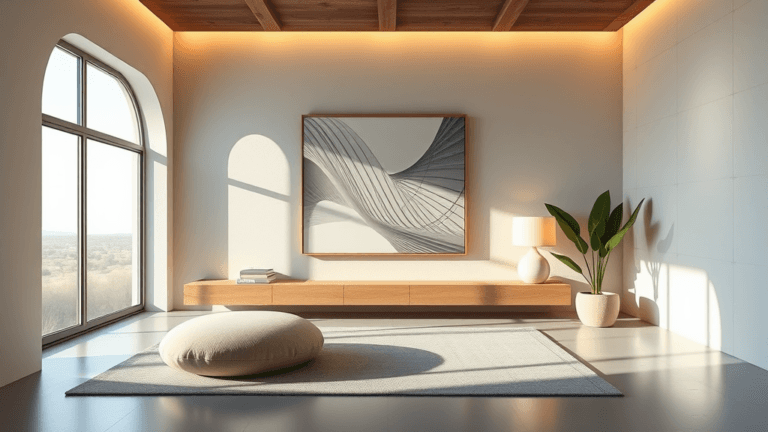
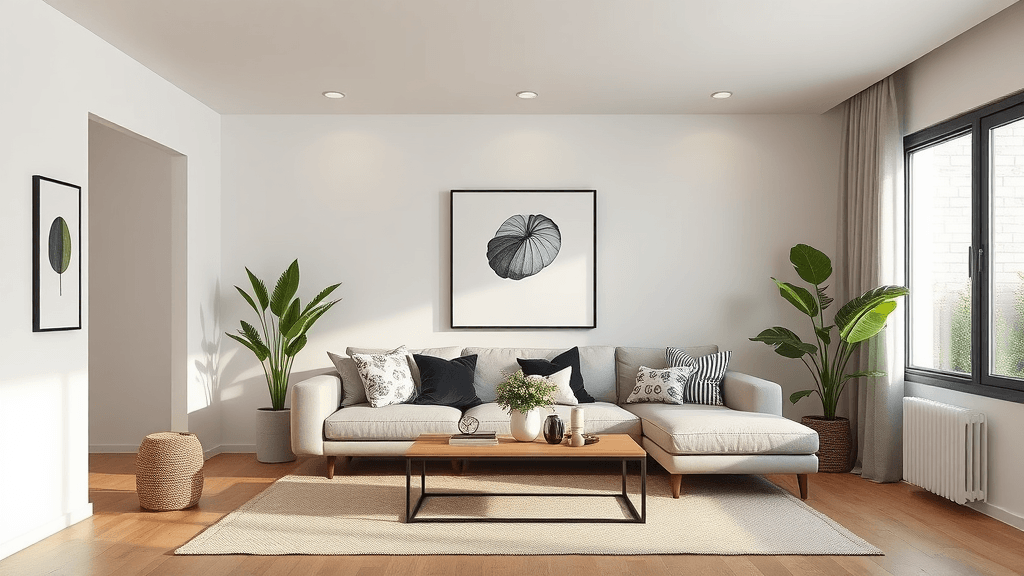
Embracing minimalist decor can transform your home into a peaceful sanctuary. A minimalist approach emphasizes simplicity, functionality, and a clutter-free environment, creating a harmonious space. Here are ten ideas to help you create a minimalist haven in your home.
1. Choose Neutral Colors
Using a palette of whites, grays, and beiges provides a calming backdrop. These colors reflect light and make spaces feel larger and more open. Consider painting your walls in soft, neutral shades to enhance the tranquility of your home.
2. Invest in Quality Over Quantity
Instead of filling your home with numbers items, focus on a few high-quality pieces. This could be a handcrafted coffee table or an elegant sofa. These standout items not only add character but also maintain a clean aesthetic, allowing you to appreciate each piece fully.
3. Limit Decorative Items
to Opt for a few meaningful decorations rather than overcrowding surfaces. You might select one or two art pieces or a single statement vase. These items should resonate with you personally while contributing to the overall design.
4. Embrace Open Spaces
Keep your living areas are open and spacious. When arranging furniture, allow for ample walking space, which promotes a more relaxed atmosphere. This layout can help reduce visual clutter and enhance the feeling of freedom in your home.
5. Use Multi-Functional Furniture
In a minimalist home, practicality is key. Invest in dual-purpose furniture, such as a bed with storage underneath or a coffee table that can also serve as a workspace. Maximizing functionality keeps your space organized and less cluttered.
6. Make Use of Natural Light
Natural light fosters a serene environment. Choose window treatments that allow sunlight to flood in while providing privacy. Light, airy curtains or blinds can elevate your space, making it feel more inviting and open.
7. Incorporate Nature
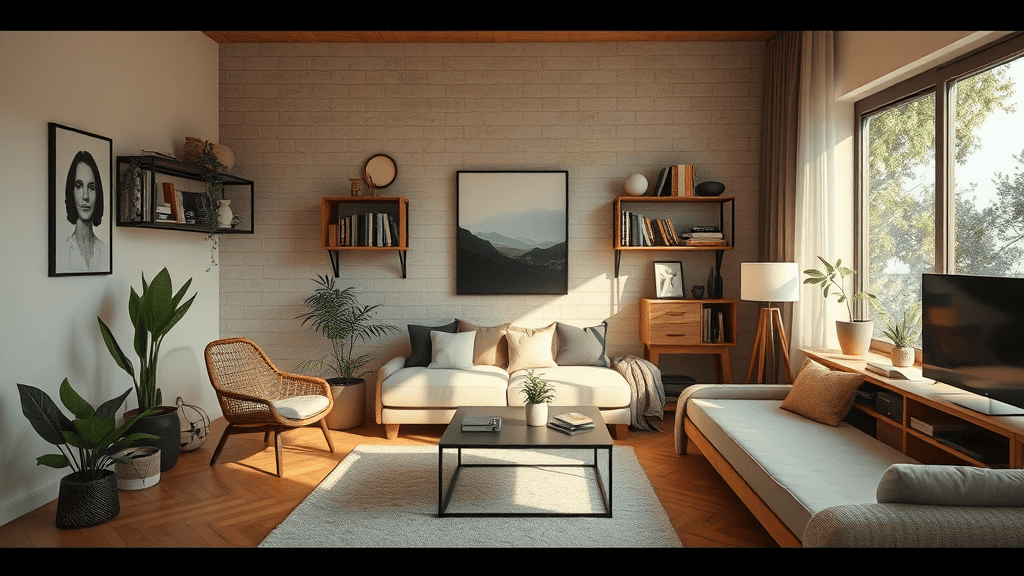
Adding plants brings life and vibrancy to your minimalist decor. Choose low-maintenance varieties like succulents or snake plants that add a touch of green without demanding too much attention. Plants can enhance air quality and foster tranquility in any room.
8. Declutter By Regularly
Maintaining a minimalist home requires regular decluttering. Create a habit of assessing your items—discard, donate, or store anything you no longer use or need. This practice helps prevent clutter from accumulating and keeps your space harmonious.
9. Opt for Textured Fabrics,
Different textures adds depth to a minimalist setting. Use soft throws, plush rugs, or linen cushions to create a cozy and inviting atmosphere. This subtle contrast can make your home feel warm and relaxed without overwhelming the simplicity.
10. Create Designated Zones
Define different areas in your home to enhance functionality. A designated reading nook, a meditation corner or workspace can provide a sense of purpose for each space. These zones help keep your home organized and allow for focused activities.
By applying these ten minimalist decor ideas, you can create a harmonious home that promotes calmness and clarity. The key is to focus on simplicity, functionality, and quality while embracing open spaces and natural light. Whether youre redesigning a room or refreshing your decor, these tips will guide you towards cultivating a serene living environment.
Remember, the essence of minimalism is not only in the visual but also in the emotional. Your space should reflect your values and lifestyle while providing comfort and peace. As you embark on your minimalist journey, enjoy the process of curating a home that truly feels like your oasis.
The Benefits of Minimalism in Home Design
Embracing minimalism in home design is more than just a trend; its a lifestyle choice that promotes simplicity and tranquility in your living space. By focusing on essential elements and eliminating clutter, you can create an atmosphere that fosters peace and harmony. Here are some compelling benefits of adopting minimalism in your home.
Enhanced Aesthetics
Minimalism is visually appealing. A home designed with minimalistic principles typically features clean lines, open spaces, and a cohesive color palette. This creates an inviting environment that exudes calmness. You can choose neutral tones such as whites, grays, and beiges, which not only enhance natural light but also make your space feel larger and more expansive.
Improved Organization
One of the main advantages of minimalism is improved organization. By limiting the number of items in your home, you make it easier to keep everything in its rightful place. You can establish efficient storage solutions that blend seamlessly into your decor, such as:
- Under-bed storage containers
- Built-in shelves
- Multi-functional furniture like ottomans with storage
This level of organization not only reduces stress but also enhances productivity in your daily life.
Promotes Mindfulness
Living in a minimalistic environment encourages mindfulness. Without the distraction of excess items, you can focus on what truly matters—those cherished possessions that bring you joy. Adopting a minimalist philosophy invite you to appreciate your surroundings, promoting a sense of gratitude and contentment.
Time and Cost Efficiency
A minimalist lifestyle can lead to considerable savings in both time and money. When you own fewer items, you spend less time cleaning, organizing, and maintaining your home. This efficiency allows you to devote your time to activities that enrich your life. Additionally, minimalism often encourages you to invest in quality over quantity. By opting for durable, timeless pieces, you can avoid the cycle of purchasing cheap products repeatedly, ultimately saving money.
Environmental Benefits
Minimalism plays a significant role in reducing environmental impact. By choosing to buy less, you contribute to lower demand for mass-produced goods, which reduces waste and energy consumption. Moreover, when you focus on sustainable practices like recycling and upcycling, you create a more eco-friendly living space. Some ways you can incorporate sustainability in your minimalist home design include:
- Choosing furnishings made from recycled materials
- Using energy-efficient appliances
- plants that purify the air
Encourages Creativity
With less clutter, your mind feels freer to explore creative ideas. Minimalist design encourages you to think outside the box when it comes to decorating and functional use of space. You may find yourself experimenting with different layouts, colors, and textures, which can lead to unique solutions that enhance your living space.
Greater Flexibility
At minimalist home design offers greater flexibility in how you use your space. Without an abundance of furnishings, you can easily rearrange elements to create a fresh look or adapt areas for different purposes. For example, a room can serve as a work space by day and transform into a relaxation nook by night. This adaptability is especially beneficial for those who live in smaller homes or apartments where space is at a premium.
Improved Mental Well-being
Living in a minimalistic home contributes to better mental well-being. To clutter-free environment can reduce anxiety and promote a sense of control over your life. When your surroundings reflect a sense of order, it helps clear your mind, making way for clarity and focus in your daily activities.
Adopting minimalism in home design not only enhances the aesthetics of your space but also has far-reaching benefits for your organization, mental clarity, and overall well-being. By eliminating clutter and focusing on what truly matters, you can create a harmonious home that supports a mindful and sustainable lifestyle.
How to Choose a Color Palette for Minimalist Interiors
Choosing a color palette for minimalist interiors can dramatically transform your living space. Minimalism is all about simplicity, functionality, and harmony, and the right colors can enhance these principles. When you choose a color palette, you set the mood, create a soothing atmosphere, and reflect your personal style. Here are some strategies to help you select the perfect colors for your minimalist space.
Understand the Essence of Minimalism
Before diving into specific colors, take a moment to appreciate what minimalism means to you. This design philosophy is centered around less being more. Aim for a calm and uncluttered environment. A minimalist color palette is often leans towards neutral shades, but incorporating pops of color can keep things interesting. Think of your space as a blank canvas where each hue serves a purpose.
Selecting the Base Colors for
Your base colors should create a soothing backdrop. Consider the following options:
- Whites: Crisp, clean whites can open up a space and make it feel larger.
- Light Grays: A soft gray can offer a hint of warmth while still remaining neutral.
- Beige and Taupe: These earthy tones can create a sense of balance and comfort.
Base colors should be used on walls and large furniture pieces to provide a foundation upon which you can build.
Adding Accent Colors
Accent colors infuse personality into a minimalist design. Choose one or two accent colors that complement your base colors. Here’s how to do that:
- Contrasting Shades: For a bold look, select colors that contrast with your base, like deep blues or rich greens.
- Pastels: Soft pastels can add a subtle, fresh vibe without overwhelming the senses.
- Monochromatic Shades: Different shades of the same color can provide depth while maintaining a cohesive look.
These accent colors can be applied through decor items like throw pillows, artwork or decorative vases.
Considering the Psychology of Color
Colors evoke emotions. When choosing your palette, think about the feelings you want to cultivate in your home:
- Blues: Promote calmness and tranquility.
- Greens: Represent renewal and harmony.
- Yellows: Add a touch of cheerfulness and energy.
- Reds: Bring warmth and passion, perfect for a living area.
Understanding the psychological effects of different colors will help you create an environment that feels just right.
Experiment with Textures
In minimalist design, textures can play a significant role in enhancing the visual aesthetic of color palette. Here are some texture ideas:
- Wood: Adding natural wood elements can warm up a space.
- Fabrics: Incorporate soft textiles like cotton or linen for comfort.
- Metals: Use metallic accents like brass or chrome for a modern touch.
Mixing these textures can break up the monotony of a limited color palette while staying true to minimalist principles.
Testing Your Palette
Before committing, always test your selected colors in your space. Paint patches on the walls and notice how they look at different times of the day. Lighting can drastically alter how a colour appears. Walk around your space with fabric samples or decor pieces in a color you’re considering. Make sure everything flows well together.
Final Touches
Once you have a palette in mind, think about the finishing touches. Choose decor pieces that align with your color scheme and do not overcrowd the space. Items should enhance your design without overwhelming it. Stick to a few key pieces, allowing your chosen colors to shine through.
The right color palette is essential for achieving a minimalist interior. By thoughtfully choosing a base and accent colors, understanding the psychology behind them, experimenting with textures, and testing your selections, you can create a harmonious and inviting home. Embracing minimalism with intentional color choices will not only beautify your space but will also provide a serene environment that feels just right. Happy decorating!
The Role of Lighting in Minimalist Decor
Lighting plays a crucial role in minimalistic decor, influencing both the aesthetics and functionality of a space. Minimalism is about stripping away the excess to focus on what truly matters, and that principle extends to how we illuminate our homes.
The right lighting can enhance the clean lines and open spaces associated with minimalist design. It creates mood, define spaces, and can even serve as a key decorative element. Here are some important insights on how to integrate lighting within a minimalist decor approach:
1. Embrace Natural Light
One of the core tenets of minimalism is the use of natural materials and light. Maximizing natural light can make your space feel larger and more inviting. Here are some tips to enhance the natural lighting:
- Use sheer curtains: They allow light to filter in while providing privacy.
- Keep windows clean: Dirty windows can block outside light, diminishing the overall brightness of a room.
- Consider glass partitions: These can help preserve open-concept layouts while allowing light to pass through.
2. Use Ambient Lighting
Ambient lighting serves as the primary light source in a room. This type of lighting sets the overall tone and can help create a cozy atmosphere. Consider these options:
- Flush mount lights: These fixtures hug the ceiling and provide ample illumination without drawing attention to themselves.
- Pendant lights: A few well-placed pendants can serve dual purposes as functional lighting and art pieces.
- Recessed lighting: These fixtures blend into the ceiling, offering a sleek, unobtrusive look.
3. Incorporate Task Lighting
Task lighting is essential in areas where you need to focus, such as kitchens or home offices. It adds practicality to your minimalist space without clutter. Examples include:
- Desk lamps: Opt for clean designs that provide focused light without excessive ornamentation.
- Under-cabinet lights: These are perfect for kitchens, illuminating work surfaces effectively.
- Floor lamps: Choose slim, modern designs that provide targeted illumination for reading or working.
4. Highlight Artwork and Features
In a minimalist space, every element matters. Use lighting to highlight key features or artwork. Consider the following:
- Picture lights: These can spotlight your favorite pieces, making them even more striking while maintaining a streamlined look.
- Spotlights: Adjustable track lighting can direct beams exactly where needed, enhancing focal points without overwhelming the decor.
- Wall sconces: They add sophistication while illuminating specific areas, giving character to otherwise understated walls.
5. Opt for LED Lighting
LED lights are an eco-friendly choice that complements a minimalist lifestyle by being energy-efficient and long-lasting. They come in various styles and color temperatures, allowing you to create a tailored lighting scheme. Look for:
- Warm white LED: This simulates natural light and creates a comforting atmosphere.
- Smart LED options: These can be controlled via apps, giving you flexibility in creating different ambiances.
- Hidden lighting: LED strips can be integrated into shelves or furniture, adding subtle illumination without visible fixtures.
6. Focus on Color Temperature
The color temperature of your lighting can significantly influence the mood in your home. Stick to warm and neutral tones to enhance the minimalist aesthetic. Consider:
- 3000K to 3500K bulbs: These create a cozy, inviting space without feeling harsh.
- Consistent lighting temperatures: Use similar color temperatures throughout your home for a cohesive look.
Lighting is more than just a functional necessity—it complements the minimalist aesthetic and enhances the overall ambiance of your home. By focusing on how you illuminate your space, you can create a harmonious environment that celebrates simplicity and style. Remember, minimalism is not about having less; it’s about making room for more of what matters. By carefully selecting your lighting, you can transform your home into a serene and captivating sanctuary.
Tips for Maintaining a Clutter-Free Living Space
Creating a tidy and clutter-free living space can have a significant impact on your overall well-being. A clean environment promotes peace of mind and helps you feel more organized and productive. Here are effective tips to maintain a clutter-free living area that you can easily implement in your daily routine.
Establish a Daily Cleaning Routine
One of the best ways to prevent clutter from accumulating is to maintain a daily cleaning routine. Try dedicating just 15 minutes each day to tidying up your space. This short commitment can make a world of difference. Here are some activities to consider:
- Make Your Bed: A made bed instantly makes your room feel more organized.
- Clear Surfaces: Regularly wipe down countertops, desks, and tables to avoid buildup.
- Declutter by High-Traffic Areas: Quickly tidy areas like the living room and entryway.
Use Storage Solutions Wisely
Effective storage solutions are essential in maintaining a clutter-free space. Rethink how you use cabinets, shelves, and furniture. Here are a few innovative ideas:
- Multi-Functional Furniture: Invest in pieces that serve multiple purposes, such as ottomans with storage or coffee table with drawers.
- Transparent Storage Bins: Clear bins help you see what you have at a glance, making it easier to find items without rummaging.
- Vertical Storage: Use wall space by installing shelves to keep items off the floor.
Implement the “One In, One Out” Rule
The “One In, One Out” principle is simple yet effective. For every new item you bring into your home, commit to removing an old one. This method keeps your belongings in check and prevents clutter from building up. Here’s how to apply this rule:
- Before shopping, assess your existing items.
- Consider donating or recycling items you no longer need.
- Teach family members to adopt this rule to encourage overall decluttering.
Designate a Drop Zone
Designating a specific spot for items that tends to accumulate, like shoes, bags, and keys, it can reduces clutter in other areas of your home. A well-organized drop zone keeps everything in one place, making it easy to grab your essentials before leaving. To create an efficient drop zone, follow these steps:
- Choose a spot in your entryway.
- Incorporate hooks for bags and hats.
- Add bins for shoes to keep them off the floor.
Limit Decorative Items,
While decorative items can enhance your homes ambiance, too many can lead to visual clutter. Opt for a minimalist approach by limiting the number of decorations in each room. Here are tips for choosing impactful decor:
- Choose a few statement pieces that resonate with you.
- Stick to a consistent color palette for a harmonious feel.
- Consider rotating decorations seasonally to keep things fresh without overcrowding your space.
Make Decluttering a Monthly Habit
Incorporate into monthly decluttering session into your routine. Set aside a specific day or weekend each month to go through your belongings. This practice helps you stay aware of what you own and removes unnecessary items. Here’s how to make the most of your decluttering day:
- Set specific goals: Choose particular rooms or categories (like clothes or books) to focus on.
- Sort items into three boxes: Keep, donate, and discard.
- Be honest with yourself about what you really need.
Involve Everyone in the Family
Encouraging family members to participate in maintaining a clutter-free home can make the task much easier. Assign age-appropriate chores, involving everyone in cleanup efforts. Here are some collaborative strategies:
- Establish a family cleaning day where everyone pitches in.
- Set up a reward system to encourage participation.
- Share the importance of a clean environment to foster collective responsibility.
By making these changes in your routine and environment, you can successfully maintain a clutter-free living space. Implementing these tips can lead to a more pleasant and productive home that reflects harmony and calm.
Conclusion
Embracing the principles of minimalism can transform your living space into a serene and harmonious sanctuary. By exploring the 10 minimalist decor ideas highlighted, you can cultivate an environment that promotes tranquility and simplicity, essential for modern living. Minimalism isn’t just a trend; it offers myriad benefits, such as reduced stress and enhanced focus, allowing you to enjoy your home fully.
Choosing the right color palette is vital in achieving that ideal minimalist aesthetic. Soft, neutral tones can create a soothing backdrop, while strategic splashes of color can add interest without overwhelming the space. Equally important is the role lighting plays in minimalist decor. Thoughtfully selected lighting enhances the airy feel of your home and highlights the beauty of your chosen decor elements.
To truly reap the advantages of minimalist living, maintaining a clutter-free space is crucial. Regularly decluttering and being intentional about what you bring into your home will allow you to appreciate your surroundings more deeply.
Ultimately, adopting a minimalist approach is about finding what resonates with you and your lifestyle. Its not just about reducing items but about creating a curated space where each piece serves a purpose and brings you joy. By prioritizing simplicity and harmony, you can make your home a true reflection of your values—a peaceful retreat that helps you thrive. Start your journey towards a minimalist home today, and experience the joy and balance it can bring to your life.