5 common mistakes in minimalist decoration and how to avoid them.
The minimalist decoration has become a popular approach to interior design. However, although it sounds simple, there are common mistakes that many people make when trying to adopt this style. Here we show you five of these errors and how you can avoid them to achieve a harmonious space and aesthetically pleasing.
Error 1: Overload the Space
One of the most common mistakes is to try to fill every corner with decorative elements in an effort to be a minimalist. Minimalism does not mean empty; it is a question of balance and functionality.
How to Avoid this:
instead of fill the space, choose carefully one or two significant objects. Leave enough free space for the eye to rest and enjoy each piece. Think quality over quantity.
Error 2: Ignore the Lighting
The lighting plays a crucial role in any style of decor, but are often overlooked in the minimalism. An evil space is illuminated may seem cold and unwelcoming.
How to Avoid it:
make Sure to incorporate different sources of light, such as lamps, table, floor and natural light. Play with the intensity and position of the lights to create a warm and welcoming environment.
Error 3: Choose Furniture Wrong
Furniture can make or break a space minimalist. Choose furniture that are too big or too ornate is a common error that detracts from the simplicity of the design.
How to Avoid it:
- Select furniture, multifunctional: look for pieces that provide storage and functionality without being overwhelming.
- Keep clean lines: Choose furniture with simple designs and elegant to respect the ethos minimalist.
Mistake 4: Using Too Many Colors
The color palette in minimalist decoration must be soft and restricted. To use too many colors or patterns, can make the space feel chaotic.
How to Avoid this:
Limit your color palette to two or three main shades, and uses combinations of white, grey, and neutral tones. This will provide a tranquil base on which you can build.
Error 5: Not Personalizing the Space
Some people assume that to achieve a minimalist style, must divest himself of all his sense of self. This can give rise to an environment with no life.
How To Avoid It:
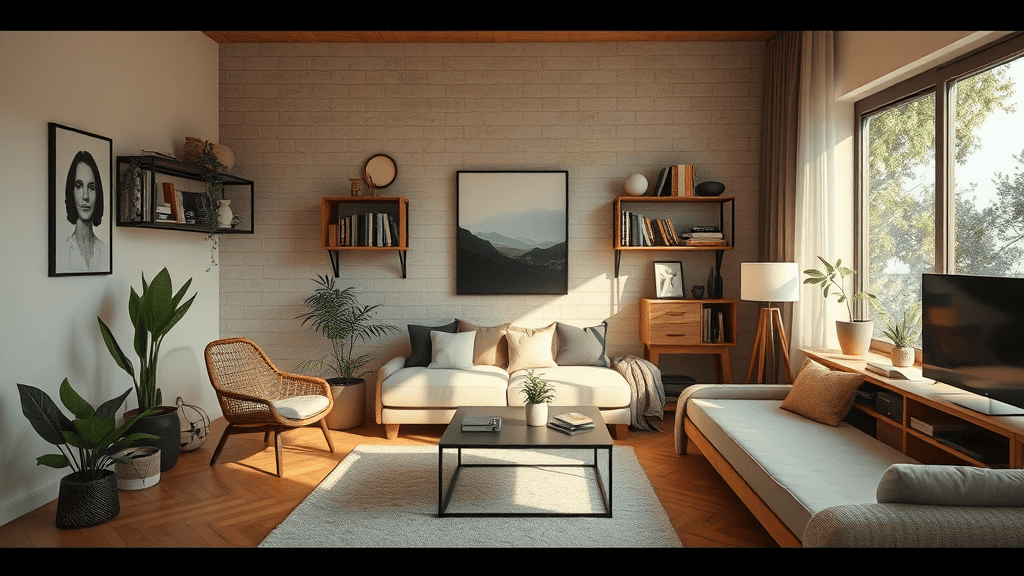
Incorporate elements that reflect your personality, as black and white photos or an indoor plant. In addition, it considers the minimalist art can add character without overwhelming the space.
When you apply these strategies, you can avoid the common mistakes in the minimalist decoration. Remember that the goal is to create an environment that is functional, aesthetic, and that reflects your personal style. With a clear focus, your space can be converted into a serene retreat that combines beauty and simplicity. It’s starting to redefine your home today!
The Importance of Natural Light in a Space Minimalist
natural light not only illuminates a space, it also transforms the atmosphere and the perception of the same. In a minimalist design, where the space and the items are limited, the natural light becomes a critical resource. To use it efficiently can improve both the aesthetics and functionality of any environment. Let’s look at how the natural light hits a space, minimalist, and how you can make full use of it.
Benefits of the Natural Light Minimalist Spaces
Integrate the natural light in your home or place of work minimalist offers multiple benefits:
- Improved mood: the light of The sun has been associated with better mental health and general well-being. Exposure to natural light can elevate your mood and make you feel more energetic.
- The reduction of energy consumption: take Advantage of natural light during the day can reduce the need for artificial lighting, which results in a saving on your energy bills.
- Perception of amplitude: The natural lighting tends to make the spaces feel larger and more open. This is crucial in a minimalist design, where the vacuum is a key element.
- Connection with the outside: the light and The landscape outside can make a space feel more welcoming and less isolated, creating an atmosphere more lively.
Tips to Maximize the Natural Light
To take advantage of the natural light in your home, consider these tips:
- Location of windows: If you’re building or renovating, put the windows in strategic positions. The south-facing windows tend to receive more light during the day.
- Use light colors: Paint walls and ceilings with light shades like white, cream, or cakes will help reflect light and expand the sense of space.
- Removal of obstacles: Check out the furniture and decors. Too many items can clog the entrance of light. Opt for simple furniture and well distributed.
- Mirrors: Place mirrors strategically, can help reflect the natural light, doubling its effect and making the spaces feel more spacious and bright.
- Large windows: If possible, choose large windows or even walls of glass. This feature will allow you to receive more natural light and connect better with the outdoors.
Challenges of the Natural Light Minimalist Decor
, Although the natural light has many benefits, it also presents certain challenges in the minimalist design:
- Glare: Sometimes, the direct sunlight can cause glare uncomfortable. Consider curtains or blinds that provide control over the amount of light that enters.
- Excessive heat: During the summer, the sunlight can overheat the space. Uses reflective glass or plant trees that create shade to mitigate this effect.
- Monitoring of the change of seasons: The quality and quantity of natural light change depending on the season of the year. Keep a flexible design that adapts to these changes, using elements which could be adjusted according to available light.
Conclusion on Natural Light Minimalist Spaces
Natural light is an essential element in the minimalist decoration, as power in both the functionality and aesthetics of a space. Through careful planning and the selection of suitable items, you can maximize natural light and to promote an environment that is both relaxing as well as energizing. The key lies in finding a balance that respects the principle of minimalism without sacrificing the warmth and life that the natural light can bring. With these tips, you’ll be ready to create a space that not only looks beautiful, but also makes you feel good in him.
How to Select the Proper Furniture for a Minimalist Style
in The selection of furniture for a minimalist style it may seem like a simple task, but it’s often a challenge that many face. The goal here is to create a space that reflects simplicity and functionality. Below, we offer some key recommendations to help you pick the proper furniture and get that clean environment and harmonious that you want.
Define your Needs
The first step for selecting furniture is to understand what your needs are. Ask yourself: how many people tend to use the space? What activities you will do in it? Consider the following:
- Functionality: Choose furniture that serve specific purposes. For example, a sofa bed can be perfect for a living room that doubles as a guest room.
- Space: Measure your area before purchasing. Opt for pieces that are well adapted to the size of the room without overloading it.
- Lifestyle: If you have pets or children, you choose furniture that is easy to clean and maintain.
Opt for Simple Materials
In the minimalist decor, the materials play a fundamental role. It is recommended to choose those that are durable and contribute to a peaceful environment. Consider using:
- Natural Wood: This material adds warmth and texture without being overwhelming. Look for tones that illuminate the space.
- Metal: metal furniture, such as chairs or tables, are ideal for an industrial style minimalist.
- Glass: glass furniture give a sense of spaciousness and lightness, perfect to complement small spaces.
Neutral colors and Monochromatic
The colors you choose should be consistent with the minimalist philosophy. Opt for a neutral color palette helps create a relaxing atmosphere. Here are some tips for the colors:
- Gray: Are versatile and can easily be combined with other decorative elements.
- White: Bring brightness and freshness; ideal for maximising the feeling of space.
- Earth tones: Help to create a natural and cosy atmosphere.
Functionality and Practice
In the minimalist style, it is crucial that each piece meets a practical function. Prevents the decorative pieces that don’t have a purpose. Here are some suggestions:
- Tables and Chairs: make Sure you are comfortable and can be moved easily if necessary.
- Storage: Choose furnishings that offer storage solutions built in, such as ottomans interior space or tables with drawers.
- Furniture, Multifunctional: it Seeks those who are able to fulfill several functions, such as a bank that also serves as a trunk.
Prevents the Excess Furniture
One of the maxims of minimalism is “less is more”. It is easy to fall into the trap of wanting to fill every corner with furniture, but this can be counterproductive. Consider these points:
- Select Essential Pieces: Choose only what you really need. You can begin with the furniture essential and then add items if necessary.
- Keep an Open Space: Leave enough space between pieces of furniture so that the movement is smooth and the atmosphere does not feel crowded.
In summary, selecting the proper furniture for a minimalist style require consideration and planning. Remember that the simplicity and functionality are key. To adopt a conscious approach to the choice of the furniture, you can create an environment that is not only aesthetically pleasing, but also comfortable and practical. With these strategies, you’ll have a space that will reflect perfectly your minimalist style.
Techniques for Creating Open Spaces and Functional
Create open spaces and functional is a trend in decoration moderna, which combines aesthetics and functionality. If you want to transform your home into a place that feels spacious and practical, here are a few techniques that will help you accomplish this.
The Importance of Natural Light
The natural light is a key element in the open spaces. To allow the light in, not only illuminate the space, but also what you make them feel more welcoming. Consider the following tips:
- Use light curtains: Opt for curtains, soft fabric that will allow the passage of light.
- Mirrors: Put mirrors on walls opposite windows to reflect light.
- Paint clear:to Paint the walls in lighter shades to maximize the light.
Furniture, Multifunctional
Select furnishings that offer multiple functions is one of the best ways to optimize space. These are some examples of furniture that might be useful:
- Sofa bed: Ideal for visits, transform a place to sit down to a bed in a few minutes.
- Tables extendable: Perfect for special occasions and can be reduced for the daily use.
- Shelves modular: Allow it to adapt to different spaces and storage needs.
Integrate Spaces,
The integration of spaces is a superb technique to create a sense of continuity. To achieve this, you can:
- Delete walls unnecessary: If possible, it breaks down walls that divide areas such as the kitchen, the dining room and the living room.
- Use flats continuous: Uses the same type of soil in the entire area to give a feeling of spaciousness.
- Sliding doors: These save space and allow a smooth transition between areas.
Colors and Textures
Choose the appropriate color palette is essential for creating an open space. Opt for neutral colors or soft, which extend visually the area. You can mix up textures to keep the space look flat. Consider the following combinations:
- white Walls and wooden furniture: The warmth of the wood adds a cozy touch.
- Cushions in soft colours: These provide softness and comfort without overwhelming visually.
- Carpet textured: The carpet can identify areas within an open space.
Subtle Decorating
When you decorate an open space, less is more. Opt for a subtle decorating that complements the design, rather than compete with it. Here are some tips:
- Works of art, large: A large piece can be a focal point, avoiding the use of multiple small decorations.
- Plants: plants will add life and freshness, but keep a moderate amount.
- Styles consistent: If you use different styles, make sure that they can integrate well to not fit in.
Final tips
here, Finally, we leave you some additional tips to maximize the functionality and openness of your spaces:
- Less is more: No satures the space with furniture or decorations unnecessary.
- Visualize before you buy: Always imagine how will be a new piece of furniture in the space before you buy it.
- Efficient organization: Keep your objects organized to prevent the disorder closing the space visually.
When you apply these techniques in your home, you will create open spaces and functional, that are aesthetically pleasing. Remember that it’s about finding the perfect balance between style and practicality, thus creating an environment where you feel comfortable and happy.
The Role of Color in Decor Minimalist
minimalist decoration is a style that is based on the simplicity, functionality and elegance. But, what role does it play the color in this approach? The choice of colour can completely transform a space, bringing the desired atmosphere without excesses. Below, we will examine how colors influence in the minimalist decorations and how you can use them effectively.
Emotional impact of the Colours
Colors have the power to evoke emotions and set the mood in an environment. In the minimalist decoration, it is crucial to select shades that foster an atmosphere of calm and serenity. A few colors that stand out are:
- White: Represents purity and peace. It is a classic in minimalism, because it maximizes the light and the feeling of spaciousness.
- Gray: Bring sophistication and modernity. The lighter shades offer a tranquil atmosphere, while the dark, can add a touch of drama.
- Neutral Tones: Colors like beige or cream are very versatile and can complement a variety of decorative elements without overwhelming the space.
- Pastel colors: soft pastels, like light blue or pale pink, added a subtle touch of color, that are perfect to add warmth without losing the essence of minimalist.
Balance is Key
In any design, a balance is essential. Incorporating color, it’s important not to overwhelm the space. Here are some strategies to achieve this balance:
- Accent Colors: Select one or two accent colors that contrast gently with neutral tones. For example, a wall in soft blue contrast well with white furniture.
- Distribution Harmonic: make Sure that the colors chosen are present in different parts of the room. This creates a cohesion visual and helps the eye move naturally through the space.
- Texture vs. Colors: If you decide to go for a palette of colors more reduced, using textures varied can offer depth and interest without the need for more shade.
Using Colors to Enhance Small Spaces
Small spaces can benefit greatly from a choice of appropriate color. Here are some suggestions:
- Clear Walls: Choose light colors on the walls helps a small space feel more open and airy.
- Mirrors: Use reflective surfaces can help to maximize the light and make the space feel more spacious. Place mirrors in tones or with marcos soft.
- Details in Dark Color: For added interest, you can include small details in dark shades, such as picture frames, or decorations in black, you can create a beautiful contrast.
Color as a Part of Personality
despite the fact that the minimalism focuses on simplicity, it is also possible to reflect your personality is through color. Consider the following:
- Favorite Colors: be Not afraid to add colors that you love in small touches, like pillows or art. This can make the space feel more personal and cozy.
- Moments of Change: If you want to change the energy in a room, consider paintings of season or accessories colorful that can easily be exchanged.
In summary, color plays a fundamental role in the minimalist decoration. A careful choice, and the strategic use of color can transform an environment, to give life and to maintain the essence of simplicity. By focusing on harmony, balance and self-expression, you can create a space minimalist that is both functional and aesthetically appealing. Dare to play with colors and discover how they can enhance your home!
Conclusion
Achieve a space minimalist is not just get rid of the objects; it’s about creating an environment that reflects serenity and functionality. Throughout this article, we’ve explored five common mistakes in the minimalist decoration and how to avoid them. The natural light plays an essential role in this style, not only to illuminate the space, but to enhance the feeling of spaciousness and well-being.
Choosing the proper furniture is a fundamental task. Opt for pieces that are both aesthetically pleasing and functional will help you to keep the essence of minimalism. In addition, there are specific techniques for creating open spaces and functional invite you to the tranquility and the organization. Finally, the color should be an ally in your décor; neutral tones and subtle can dramatically transforming any environment, enhancing the simplicity that characterizes the minimalism.
When you apply these strategies, you will be on the way to create a home that is not only attractive to the eye, but also encourages a balanced lifestyle and without distractions. Remember that every choice you make must align with your vision of tranquility and simplicity. With these tips, your space minimalist will become a refuge where you can enjoy the calm, clarity, and beauty of what is essential.