How to choose minimalist art for interiors: key aspects to consider for your home.
How to Choose Minimalist Art For Your Home has become a popular option for those looking for a style of life more simple and a tranquil environment in their homes. However, choosing the right outfit can be a challenge. Here are some key aspects to be considered to make sure that the art you choose fits perfectly to your space.
Define your personal style
Before you dive in search of minimalist art, take a moment to reflect on your personal style. Ask yourself the following:
- Do you prefer straight lines or organic shapes?
- What colors do you like?
- Do you like symmetry or do you prefer something more asymmetrical?
Define your style will help you limit your options and to find pieces that really resonate with you.
Consider the color palette of your home
The color play a crucial role in the minimalist art. The neutral tones are common, but you can also opt for a piece that stands out. Make sure that the colours chosen to complement the decor of your room. Consider the following:
- Foot art in shades of grey and white for a relaxing environment.
- A touch of bright color to the highlight to a neutral space.
- Art in metallic hues that reflect light and add dimension.
Size matters
The size of the piece of art should be in balance with the available space. Remember:
- The large pieces can become the focal point of a room.
- The smaller works are perfect for art galleries in the wall.
- Place several small pieces together can create a look that’s interesting and dynamic.
Do not be afraid to experiment. Place a small piece on a large wall can generate an attractive contrast.
The location is key
Think about where you plan to place the art. The lighting and the available space can affect how you perceive the work. Some ideas include:
- The hall as the primary location for a piece of shocking.
- Corridors to art more small that invites reflection.
- Rooms like the bedroom, where pieces soft encourage tranquility.
Make sure that your choice of art is adapted to the function of the room where it will be displayed.
Materials and textures
The minimalist art can present many materials, each one providing different sensations to the space. Consider these points:
- Acrylic paint on canvas for a smooth finish.
- Black and white photographs for a contemporary touch.
- Sculptures made of metal or wood to add dimension.
Incorporate different materials can help you to create a visual experience that is rich, even in a space minimalist.
Message behind the work of
minimalist art is not only aesthetically pleasing; they often have deeper meanings. Ask yourself:
- What emotions it evokes the piece?
- What is the message you want to communicate in your home?
- Is there a story that resonates with you?
Choose art with a meaning staff can make your space feel more authentic.
The budget and the investment
finally, it is vital to set a budget before you start searching for art. Works of art can vary significantly in cost, so consider:
- Assign a percentage of your budget decoration specifically for art.
- Search for local and emerging artists to more affordable choices.
- Explore online platforms that offer original art and reproductions at reasonable prices.
Remember that art is an investment. You can add value to your home and your emotional well-being, so be sure to dedicate resources to what you really love.
Choose minimalist art to your home doesn’t have to be complicated. By following these steps, you will be able to find works that not only fit your space, but also reflect your personality and lifestyle. So, your home will become a place that inspires calm and creativity.
The influence of minimalist art in the interior decoration
Minimalist art has become a key trend in interior decorating in the last few decades. This artistic current, which are characterized by their simplicity and functionality, not only embellishes your spaces but also promotes a life more organized and unbridled. If you’re wondering how the minimalist aesthetic can transform a home, here are some ideas to consider.
Less is More
The philosophy of “less is more” is key in minimalist art. This approach focuses on the elimination of the superfluous, to highlight what is essential. The select pieces of minimalist art, you need to prioritize quality over quantity. Ask yourself: will this work has a purpose and a reason to be in my home? It is crucial that each piece you choose has its own essence and that contributes to the harmony of the space.
Neutral colors and Geometric Shapes
Neutral colors, such as white, black, gray, and wood tones clear, are common in the minimalist art. These colours create a fund serene in which you can really appreciate the simplicity of the art. Often, minimalist artworks have geometric shapes or clean lines that add a modern touch. Consider the following recommendations in order to choose works that align with this aesthetic:
- Opt for colors that complement your existing décor. A subtle contrast can make a piece really stand out.
- Choose works that have subtle patterns or interesting textures. The visual simplicity does not mean lack of interest.
- Consider the scale. The works of the greatest art can serve as a focal point, while the smaller ones can be grouped together.
Open spaces and Nature
Minimalist art often works best in open spaces and well lit. This is because the light plays a fundamental role in how we experience art. Try to place the works in places where they receive natural light, allowing the environment to enhance its appeal. In addition, to integrate natural elements in your decor can provide a seamless connection between the art and the landscape. For example:
- Incorporate indoor plants. They add life and color without overwhelming the space.
- Consider the use of natural materials. Furniture made of wood or stone can complement the works of minimalist art.
The Power of Simplicity
minimalist art applies not only to the paintings, but also to the manner in which you decorate your space. Tools such as floating shelves, tables clean and the removal of decorative elements unnecessary contribute to this aesthetic. Maintain a well-ordered space not only makes it look more attractive, but also promotes a sense of calm. A clear space allows you to appreciate more clearly each one of the works of art that you have selected.
Think about the Purpose
When you choose minimalist art for your home, consider the purpose of each piece. Do you want to forward peace and serenity? Or do you prefer that inspire creativity and dynamism? The art you choose should resonate with you and the atmosphere you want to create. Here are some questions to guide you in your selection:
- What emotions I want to evoke in this space?
- Does the piece feel balanced with the rest of the room?
- Do the work integrates with the functionality of the space?
Choose the minimalist art not only creates an environment visually appealing, but also invites reflection and tranquility. This art form can help you create a home that reflects your modern lifestyle, balanced and aware. In the end, the key is to choose with intention, selecting parts that not only you like, but also elevate your space and your being.
In summary, choose minimalist art is a personal journey. Every decision you make should be guided by your own tastes and needs, allowing your home to tell a story that speaks of simplicity and beauty.
Colors and textures into minimalist art: Creating harmony in your space
Minimalist art has become a popular choice for home decoration. His focus on simplicity and clarity allows you to create spaces that are visually attractive and invite calm. But, how do you choose the colors and textures appropriate to achieve this harmony in your space? I will offer you some tips that will help you to integrate the minimalist art in your home.
Colors in minimalist art
The colors are vital in creating the desired atmosphere. In the minimalist art, it is advisable to use a restricted color palette. Here are a few tips:
- neutral Colors: whites, greys and beiges are the most used. These tones allow other decorative elements stand out without overwhelming the space.
- Soft colours: Tones cakes such as sky blue, mint green or lavender can bring in a touch of color without losing the essence of minimalist.
- Dark colours: The black or anthracite can be used to create contrasts. This approach is ideal to highlight a piece of art or a piece of furniture specific.
When you choose colors, think about how these will interact with the light of your room. Natural light can truly change how you perceive the colors, so be sure to test the samples at different times of the day.
Textures and its importance
textures also play a crucial role in the minimalist art. Often, the simplicity accentuated by the use of different materials. These are some textures that you can consider:
- Smooth surfaces: walls and furniture with smooth finishes offer a polished look. This can be especially effective in small spaces.
- Natural materials: wood and mud can add warmth to your home. Opt for furniture of untreated wood or ceramic art can be a great option.
- Soft fabrics: Use fabrics such as cotton or wool in cushions or blankets provides comfort without complicating the design.
The combination of different textures help to create depth and makes the space feel more inviting. Remember that in art, minimalist, less is more; so that you don’t feel the need to fill all the empty spaces.
Creating harmony
harmony in the minimalist art is achieved by combining colors and textures of a well-balanced manner. Here are some strategies to accomplish this:
- Select a focus point: Can be a work of art, a piece of furniture or even a wall painted a different color. Everything should flow to this point.
- Keep cohesion: Make sure that the colors and textures are chosen to complement each other. Testing on small areas can help you before making final decisions.
- Eliminates the clutter: One of the cornerstones of minimalism is to strip ourselves of the unnecessary. Keep only what is essential, it provides clarity and calm to the space.
Remember that the choice between the colors and textures should reflect your personal style. Do you feel attracted to a more warm and welcoming, or you prefer a more contemporary look and fresh? Choose items that make you feel good will help you to create an environment that really harmonious.
Final considerations
to Integrate textures and colors in minimalist art does not involve complicated life. It’s all about simplifying and express elegance in its most basic form. By carefully choosing the colors and textures, you can turn your home into a haven of peace and harmony.
Take your time to explore different combinations and don’t hesitate to experiment. The beauty of minimalism is in its flexibility; you can adjust and modify until you find what really resonates with you. So, go ahead, it transforms your space and enjoy the minimalist art at its finest.
Ideal spaces to display art minimalist home
Minimalist art, with its simple aesthetics and clean lines, has become a popular choice for decorating homes. Selecting the suitable space to exhibit these works can enhance their beauty and meaning. Below, we will explore different areas ideal in every home where minimalist art shines with greater intensity.
Living rooms
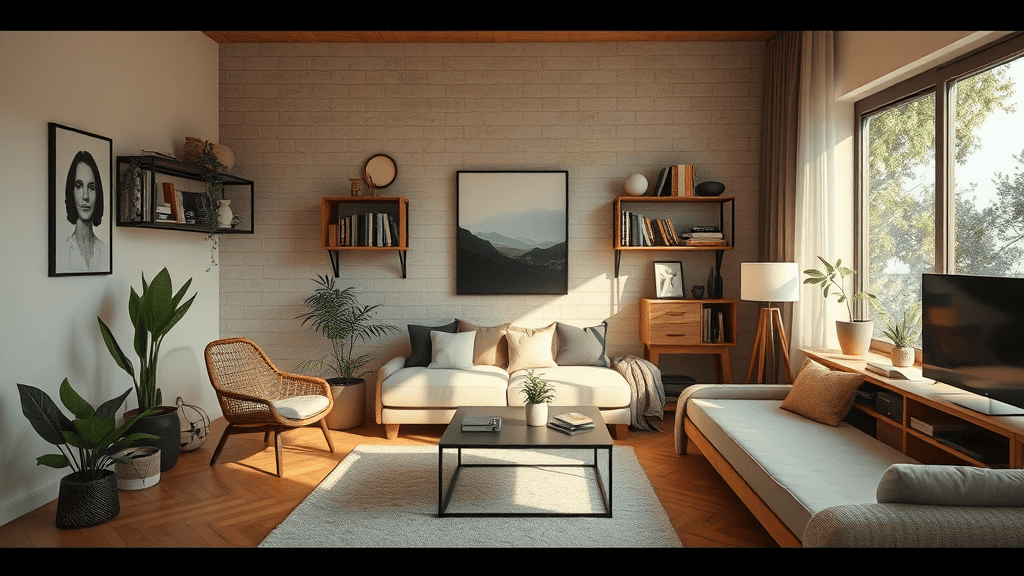
The living room is the heart of the home, and a perfect place to display art minimalist. Here, the simplicity can bring a sense of calm and sophistication. Some recommendations include:
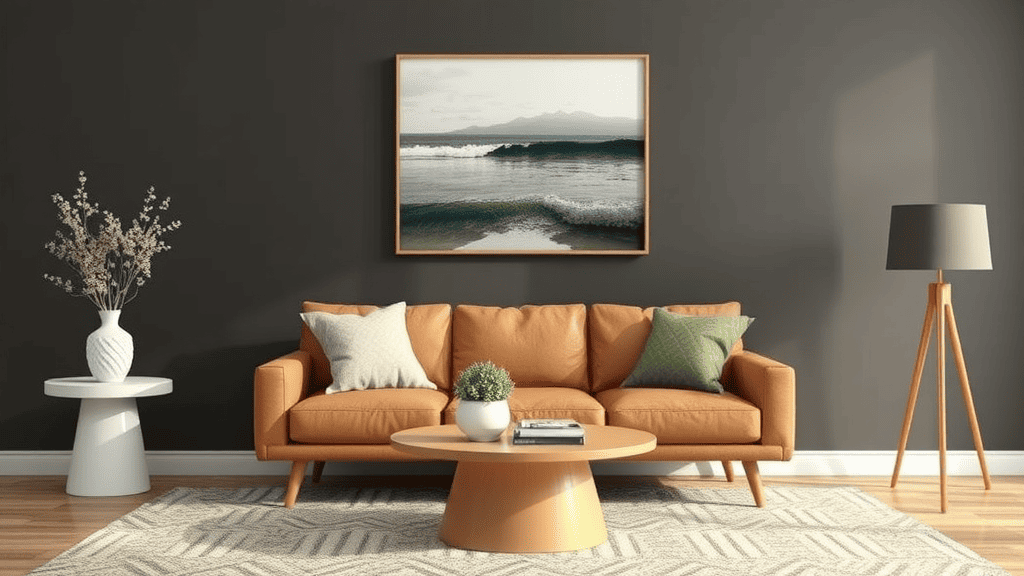
- central Wall: A great piece of art on a main wall can be the focal point of the room.
- Combination of works: Grouping several smaller pieces can create a collage interesting while maintaining the minimalist aesthetic.
- White spaces: do Not hesitate to leave empty areas around the work to breathe and not look overwhelmed.
Hallways and corridors
sometimes forgotten, the aisles can be ideal spaces to introduce minimalist art. Here you can play with different lengths and heights to create a visual experience that is interesting:
- private art Gallery: Put several pieces on-line can give the feeling of a personal gallery.
- Adequate lighting: good lighting can highlight each work and to give them greater prominence.
- Targeting: you Can choose a work that will attract attention at the end of the aisle, creating a visual effect is shocking.
Bedrooms
The bedroom is a space where we seek peace of mind. Choose minimalist art here can help create a relaxing environment. Consider:
- Options above the headboard: A big piece above the bed can add character without overwhelming the decor.
- Soft colors: Choose works that use a palette of soothing colors to promote a serene atmosphere.
- Art in corners: you Can use small works or sculptures on shelves to add interest without making the space feel cluttered.
Home office
The home office should be a place that inspires creativity and focus. Incorporate minimalist art can help you achieve this. Some indications are:
- Pieces inspiring: Choose the works that inspire, like quotes or pictures that remind you of your goals.
- Open shelves: Exhibits-small sculptures or pieces of art in the open shelves, creating a space that is attractive and neat.
- Dividers: If you use screens or shelves, you can set minimalist art on them, integrating functionality and style.
Bathrooms
Although it may seem unusual, the bathrooms are another area where the minimalist art can add a special touch. Here are some ideas:
- small Works: Uses small pieces or prints framed to add a personal touch without taking up too much space.
- Neutral colors: Choose works that complement the tones of the bathroom, promoting the harmony of the space.
- Thematic relaxing: The art of landscapes or nature can contribute to a spa environment, ideal for relaxation.
In summary, the minimalist art is versatile and can be found in any corner of the home. The key is to choose spaces where you can, without losing its essence. Take advantage of each area, from the living room up to the bathroom, and fill your home with inspiration and peace with each piece you choose.
Combining art minimalist with other decorative styles
Minimalist art has become a trend and is highly valued in the interior decoration. Its simplicity and elegance will not only provide aesthetic beauty but also create a calm and orderly. Incorporate minimalist art on other decorative styles can give rise to unique spaces, and fascinating. Here we will show you how to perform this combination effectively.
Understand the Styles you Want to Combine
Before you begin to mix the minimalist art with other styles, it is essential that you know the characteristics of each one. Some decorative styles popular include:
- Scandinavian: This style focuses on the light, functionality and neutral tones. Minimalist art fits perfectly in this context, since it highlights the warmth of wood and the simplicity of the forms.
- Industrial: The industrial style is characterized by the use of raw materials and a palette of dark colors. Here, minimalist art can act as a focal point in spaces more disordered, providing an interesting contrast.
- Bohemian: This style is more colorful and full of textures. Integrating the pieces of minimalist art, you can generate a visual balance to prevent the space from feeling too loaded.
Select Neutral Colors
By combining minimalist art with other styles, opt for a neutral color palette can be an effective strategy. Tones such as white, gray and beige allow the minimalist art stand out without competing with other decorative elements. You can use a piece of art in soft tones to complement the furniture and general decor of the space.
Plays with Proportion and Space
One of the fundamental principles of the minimalist design is the use of the white space. Make sure that the art you choose has enough space around it for you to breathe. Here are some ideas for doing so:
- Walls Empty: Leave some walls with no decorations to let your pieces of minimalist art stand out even more.
- Balanced distribution: Place the art in strategic points that maintain a visual balance in the room.
- Proper proportions: make Sure that the size of the art fit the scale of the furniture, and the dimensions of the room.
Incorporates Textures Light
Minimalist art is not just the absence of decoration. You can add texture with materials such as fabrics, wood, or metal that highlight the work. For example, a box a minimalist on a framework of wood texture can give a cozy feel, perfect for a scandinavian style.
Combination of Shapes and Lines
minimalist art often plays with geometric shapes and clean lines. When combined with other styles, you can take advantage of these ways to strengthen the overall aesthetic. Consider these tips:
- Contrast Curves: If your predominant style has many curved lines, you choose works of art with straight lines to create contrast.
- Curation of Works: Groups containing parts with similar shapes or geometric patterns, increasing the cohesion of the space.
Choose Decorative Elements Complementary
in Addition to the art, make sure you select other decorative elements that respect the essence minimalist. The vases simple, potted plants, simple or shelves without ornaments may help to maintain the harmony. Remember that the goal is to create an environment that respects the principle less is more.
It respects the Natural Light
Finally, don’t forget the importance of natural light in your decisions decorative. Minimalist art, to be simple, greatly benefits from the lighting, as the play of lights and shadows can enhance their features. Therefore, choose spaces where the light flow in order to give life to your pieces.
When you follow these tips, you’ll be able to combine art minimalist with other decorative styles, creating a space that speaks of your personality and unique style. The key is in the careful selection and in a well-balanced mixture, which can take your home décor to a new level of sophistication.
Conclusion
The choice of the minimalist art for your home is not only about selecting pieces; it is a process that transforms your space and your way of living. When considering the key aspects such as functionality, the visual balance and consistency with the aesthetics of your home, you can create a serene and cozy. The influence of minimalist art in the decoration of interiors is undeniable, as this style invites you to the clarity and simplicity, promoting a sense of peace in every corner.
The colors and textures are all crucial in the art, minimalist, as they help to establish a visual harmony that can make your space feel more bright and spacious. Learn how to combine different shades and materials you can transform a common area in a special place full of personality and style. In addition, there are multiple spaces in your home where you can display art minimalist, like the living room, the hallway, or even in the office. Each of these places has unique characteristics that can be improved to carefully select the pieces of art that are to be displayed.
Finally, the possibility of combining art minimalist with other decorative styles offers a great opportunity to express your creativity. An eclectic approach can give life to your space and, at the same time, to maintain the essence of the simplicity that characterizes the minimalism. At the end of the day, your home is a reflection of yourself, and the art you choose should resonate with your personality and lifestyle. With these steps, you’ll be more than prepared to make choices of minimalist art that not only beautifies your home, but also enrich your day-to-day.